
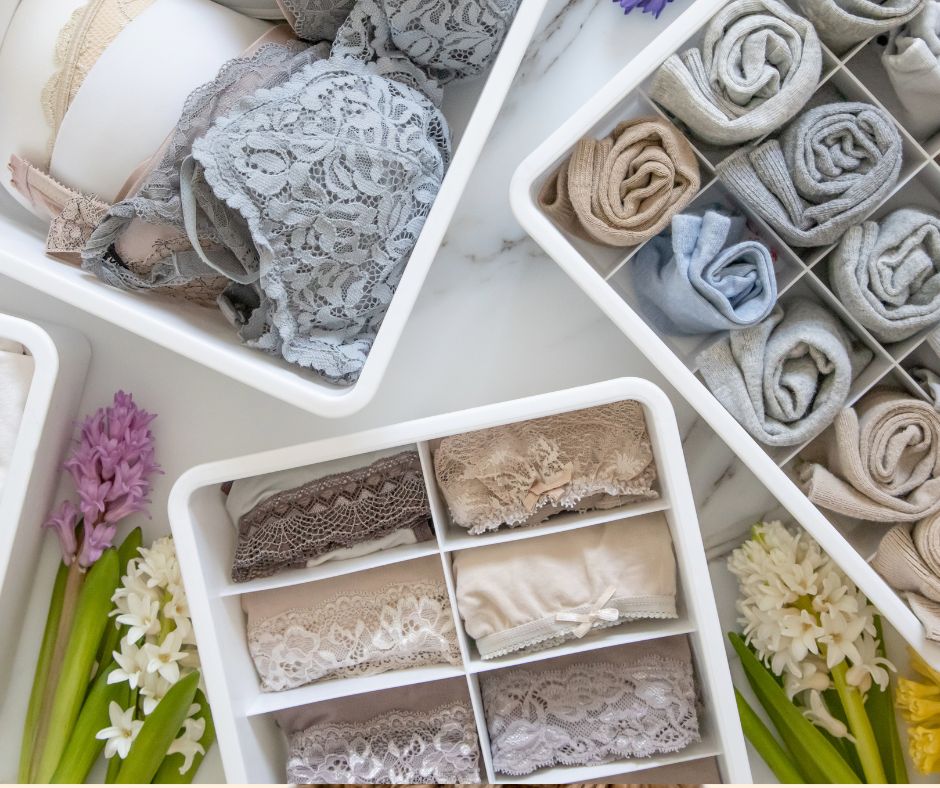
In recent years, the fashion industry has undergone a profound transformation towards sustainability. The movement is characterised by a growing awareness of the environmental and social impacts of clothing production and disposal. Sustainable fashion promotes not only eco-friendly manufacturing processes but also encourages consumers to make ethical choices about their clothing consumption. One pivotal aspect of this movement is the concept of donation, particularly of unworn items, such as knickers, which often go unnoticed in the larger dialogue of clothing waste.
The act of donating unworn knickers is not merely a gesture of charity but a crucial component of sustainable fashion. Many individuals accumulate clothing items, including underwear, that they never wear. These items often end up discarded, contributing to the extensive waste in landfills. By choosing to donate, individuals can significantly reduce this waste, turning potential landfill fodder into valuable resources for those in need.
Moreover, the donation of knickers aligns with the broader principles of sustainability by supporting the reuse and redistribution of resources. This practice not only addresses immediate needs but also fosters a culture of responsible consumption. Through thoughtful donation, individuals can make meaningful contributions to both environmental preservation and social welfare.
The Cost of Unworn Knickers: An Overview
The costs associated with unworn knickers extend far beyond financial considerations. Economically, the accumulation of such items represents a loss of resources, as money spent on unworn clothing could have been allocated elsewhere. However, the true costs are more profound, encompassing environmental and social implications that demand attention.
Environmental Costs:
- Resource Waste: The production of knickers, like all clothing, requires significant resources, including water, energy, and raw materials. When these items go unworn, the resources expended in their creation are effectively wasted.
- Pollution: Manufacturing processes often result in pollution, from water contamination to air emissions. Unworn knickers contribute to this cycle when they are produced but not utilised.
Social Costs:
- Missed Opportunities: Unworn clothing items represent missed opportunities to support individuals who lack basic necessities. In many parts of the world, access to clean underwear is a luxury, not a given.
- Inequity: The disparity between those who have an abundance of clothing and those who have none is stark. Donating unworn knickers can help bridge this gap, promoting equity and dignity.
Ultimately, addressing the cost of unworn knickers requires a multifaceted approach that includes mindful consumption, responsible disposal, and active donation.
The Impact of Lack of Knickers for Girls and Women in Africa
In many African communities, the lack of access to basic clothing items, such as knickers, poses significant challenges for girls and women. This issue, often overlooked, has far-reaching implications for health, education, and dignity.
Health Implications:
- Hygiene: Without proper underwear, maintaining personal hygiene becomes challenging, leading to health complications. Inadequate access to underwear can contribute to infections and other health issues that disproportionately affect women.
- Menstrual Health: Access to knickers is essential for managing menstrual health. For many girls and women, not having knickers to support sanitary products results in missed school days and work, perpetuating cycles of poverty.
Educational Impact:
- Attendance: The absence of proper underwear can deter girls from attending school, particularly during menstruation. This absence not only impacts their education but also their confidence and future opportunities.
- Empowerment: Education is a powerful tool for empowerment. By providing knickers, barriers to education can be reduced, allowing girls to fully participate in their academic pursuits.
Dignity and Self-Esteem:
- Self-Perception: Access to basic clothing items affects self-esteem and dignity. Providing knickers helps ensure that girls and women can engage in daily activities with confidence and pride.
Addressing the lack of knickers for girls and women in Africa is a crucial step towards fostering health, education, and empowerment. Through donation, individuals can make a tangible difference in the lives of those in need.
The Benefits of Providing Knickers to Those in Need
Providing knickers to those in need offers numerous benefits, both tangible and intangible. These benefits extend to individuals, communities, and the environment, highlighting the importance of donation as a sustainable practice.
Individual Benefits:
- Health and Hygiene: Access to knickers improves personal hygiene, reducing the risk of infections and health issues. This improvement has a direct impact on overall well-being and quality of life.
- Confidence: Wearing proper underwear enhances confidence and self-esteem, allowing individuals to engage more fully in daily activities and social interactions.
Community Benefits:
- Social Equity: Donating knickers helps address social inequities by providing essential items to those who lack them. This act of solidarity promotes fairness and equality within communities.
- Economic Stability: By supporting education and employment opportunities, access to knickers contributes to economic stability and growth. Educated and empowered individuals are better equipped to contribute to their communities.
Environmental Benefits:
- Waste Reduction: Donation reduces textile waste by redirecting unwanted items away from landfills. This practice helps conserve resources and minimise environmental impact.
- Sustainability: Providing knickers aligns with sustainable practices by promoting the reuse and recycling of resources. This approach supports a circular economy, where resources are used efficiently and responsibly.
The multifaceted benefits of providing knickers underscore the importance of donation as a sustainable choice. By donating unworn knickers, individuals can contribute to positive outcomes for people and the planet.
The Environmental Cost of Textile Waste: Landfill Implications
Textile waste is a growing environmental concern, with significant implications for landfills worldwide. The disposal of unworn knickers contributes to this issue, highlighting the need for sustainable solutions.
Landfill Overload:
- Volume: Landfills are increasingly burdened by textile waste, which occupies valuable space and contributes to environmental degradation. Unworn knickers, though small in size, add to this growing problem.
- Decomposition: Textiles can take decades to decompose, releasing harmful gases and chemicals into the environment. This slow breakdown process exacerbates pollution and environmental harm.
Resource Depletion:
- Raw Materials: The production of textiles requires substantial resources, including water, energy, and raw materials. When items like knickers are discarded, these resources are effectively wasted.
- Energy Use: The energy required to produce, transport, and dispose of textiles contributes to greenhouse gas emissions and climate change. Responsible disposal through donation can mitigate these effects.
Sustainable Alternatives:
- Recycling and Reuse: Emphasising recycling and reuse can significantly reduce the environmental impact of textile waste. Donating unworn knickers is a key component of this strategy, diverting items away from landfills and into the hands of those who need them.
- Circular Economy: Supporting a circular economy involves extending the lifecycle of products through reuse, repair, and recycling. By donating knickers, individuals can participate in this sustainable model.
Addressing the environmental cost of textile waste requires a concerted effort to promote sustainable practices. Through donation, individuals can help reduce landfill contributions and support a healthier planet.
Recycling and Reusing: A Sustainable Solution
Recycling and reusing textiles are essential components of sustainable fashion, offering solutions to the challenges of waste and resource depletion. These practices provide opportunities to reduce environmental impact and support communities in need.
Recycling Knickers:
- Process: Recycling involves breaking down textiles into raw materials that can be used to create new products. This process conserves resources and reduces the need for virgin materials.
- Innovation: Advances in recycling technology have made it possible to repurpose textiles in innovative ways, from insulation materials to new fabrics. These innovations expand the possibilities for sustainable reuse.
Reusing Knickers:
- Donation: Donating unworn knickers is a straightforward way to promote reuse. By redirecting these items to individuals and communities in need, donors extend the useful life of garments and reduce waste.
- Creative Reuse: Beyond donation, creative reuse involves repurposing textiles for new purposes, such as crafts or other functional items. This approach encourages creativity and resourcefulness.
Community Impact:
- Empowerment: Recycling and reuse initiatives can empower communities by providing access to resources and creating economic opportunities. These practices promote self-sufficiency and resilience.
- Education: Raising awareness about the benefits of recycling and reuse helps foster a culture of sustainability. By educating individuals about the importance of these practices, communities can work together to achieve environmental goals.
Recycling and reusing knickers are vital strategies for reducing waste and promoting sustainability. Through these practices, individuals can contribute to a more sustainable future for all.
How to Donate Unworn Knickers: A Step-by-Step Guide
Donating unworn knickers is a simple yet impactful way to support sustainability and help those in need. The following step-by-step guide outlines how individuals can effectively donate their unworn items.
Step 1: Gather and Sort
- Collect Unworn Items: Begin by gathering all unworn knickers from your wardrobe. Check for any tags or packaging that indicate the items are unused.
- Sort and Inspect: Sort the items by size and condition, ensuring they are clean and in good condition for donation. Only donate items that are suitable for reuse.
Step 2: Donation Options
- Local Charities: Research local charities or organisations that accept underwear donations. Many organisations focus on providing clothing to individuals in need, including women and girls. www.yoursmallsappeal.org
Step 3: Prepare for Donation
- Follow Guidelines: Adhere to any specific guidelines provided by the chosen organisation, such as packaging instructions or delivery methods. Ensure your donations are not marked or soiled, but clean and fresh.
Step 4: Spread the Word
- Raise Awareness: Share your donation experience with friends and family to inspire others to participate in sustainable donation practices. Use social media to highlight the impact of your donation and encourage others to contribute.
By following these steps, individuals can make a meaningful difference through the donation of unworn knickers. This simple act of generosity supports sustainability and provides essential resources to those in need.
Encouraging Responsible Consumption and Donation Practices
Promoting responsible consumption and donation practices is crucial for fostering sustainability and addressing the challenges of textile waste. By adopting mindful habits, individuals can contribute to a more equitable and environmentally friendly future.
Mindful Consumption:
- Evaluate Needs: Before purchasing new clothing, assess whether the items are truly needed. This evaluation can help reduce impulse buying and the accumulation of unworn items.
- Choose Quality: Opt for high-quality garments that are designed to last. Investing in durable clothing reduces the frequency of replacements and supports sustainable fashion.
Informed Donation:
- Research Recipients: Before donating, research potential recipients to ensure the items will be used effectively. Choose organisations with missions that align with your values and priorities.
- Donate Thoughtfully: Consider the specific needs of the recipients when donating. For example, focus on providing appropriate sizes and styles that are in high demand.
Community Engagement:
- Educate Others: Share knowledge and resources about sustainable fashion and donation practices with your community. Hosting workshops or discussions can raise awareness and inspire collective action.
- Collaborate: Partner with local organisations, schools, or businesses to organise clothing drives or donation events. Collaborative efforts amplify impact and foster a sense of community.
Embracing responsible consumption and donation practices is essential for creating a sustainable future. By making thoughtful choices and encouraging others to do the same, individuals can help reduce waste, support those in need, and protect the environment.
The Importance of Sustainable Choices
The journey towards sustainable fashion is ongoing, requiring conscious choices and collective action. Donating unworn knickers is a small yet significant step in this journey, offering benefits for individuals, communities, and the environment.
The costs associated with unworn knickers extend beyond financial considerations, encompassing environmental and social implications that demand action. By addressing these costs through donation, individuals can contribute to positive outcomes for people and the planet.
As awareness of sustainable fashion grows, so too does the opportunity to make a difference. By choosing to donate and recycle unworn knickers, individuals can participate in a movement that prioritises health, equity, and environmental stewardship.
Together, through mindful consumption and thoughtful donation, we can create a more sustainable and equitable world. Donate your unworn and recycle your knickers for women in need—every contribution counts.